Two nut bars can sit on the same shelf, print the same zero added sugar line, and be built on opposite ideas.
Blueprint Macadamia Protein Bar adds pea protein to a nut bar and sweetens it with allulose. Larabar Cashew Cookie adds nothing at all. It is cashews and dates, pressed into a bar.
This article compares the two labels and the two prices. It is label and pricing research, not a hands on review. I have not tested either product, and nothing here is sponsored.
The short version: Blueprint gives 9 g of protein and 1 g of sugar in a 40 g bar for $2.42. Larabar Cashew Cookie gives 5 g of protein and 15 g of sugar in a 48 g bar for about $1.11 to $1.78 at retail. Both print 0 g of added sugar. Larabar wins on price and on the shortest ingredient list in the category. Blueprint wins on protein and on sugar, by a wide margin. Prices are as of November 2026. If you are new to Blueprint, you can get $50 off your first Blueprint order through this referral link, which is more than the price of a 12 bar pack.
The Biggest Trap: Two Labels That Both Say Zero Added Sugar
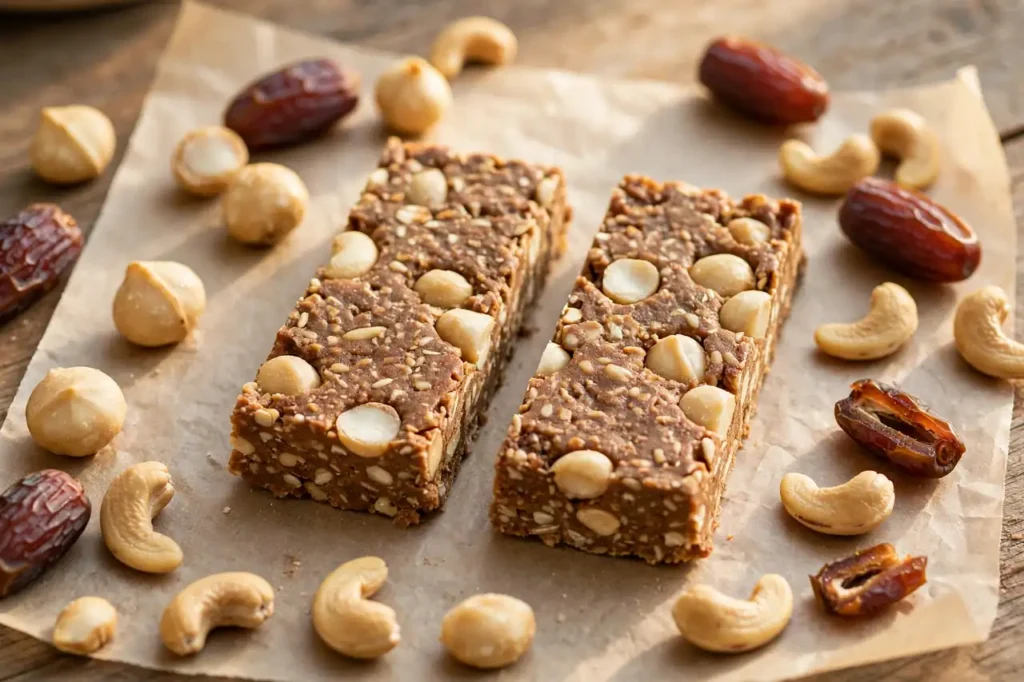
The trap is one line on both panels. Added sugar reads 0 g on the Blueprint bar and 0 g on the Larabar. A buyer scanning for sugar sees a tie and moves on.
The totals are not a tie. The Blueprint bar carries 1 g of sugar in the whole bar. The Larabar carries 15 g. Dates do that work. Dates are the second ingredient, and date sugar counts as fruit sugar, not added sugar, so the 0 g line stays true while 15 g of sugar rides along.
The protein gap runs the same way. Larabar does not sell Cashew Cookie as a protein bar, and its 5 g of protein is simply what cashews and dates contain. Blueprint starts with pea protein crisps as its first ingredient and lands at 9 g. One bar was built for protein. The other never claimed to be.
So read these two bars on totals, not on the added sugar line. That one line is the only place they match.
The Two Labels, Side by Side
Amounts are per bar, as printed on the current labels. Larabar figures are from its official product page.
| Per bar | Blueprint Macadamia Protein Bar | Larabar Cashew Cookie |
|---|---|---|
| Bar weight | 40 g | 48 g |
| Calories | 160 | 220 |
| Protein | 9 g | 5 g |
| Protein source | Pea protein crisps, first ingredient | Cashews only, nothing added |
| Total fat | 11 g | 12 g |
| Total carbohydrate | 5 g | 25 g |
| Fiber | 1 g | 2 g |
| Total sugars | 1 g | 15 g |
| Added sugars | 0 g | 0 g |
| Sweeteners | Allulose | None, dates do the sweetening |
| Ingredients | About 10, in a coated nut bar | 2: cashews, dates |
| Vegan | Yes | Yes |
| Gluten free | Yes | Yes |
| Price per bar | $2.42 | About $1.11 to $1.78 at retail |
Two honest notes belong under this table. First, Larabar prints no price of its own. It sells through retailers only, so its per bar price moves with the store and the box size. The range above runs from an 18 count box to a single bar at two large grocery chains.
Second, the bars are aimed at different jobs. Larabar is a fruit and nut snack bar. Blueprint is a protein bar built on a nut base. The comparison is fair because buyers cross shop them, not because the brands describe them the same way.
The Cost Math That Matters
Per bar, Larabar is cheaper at every price found. Blueprint costs $2.42 a bar, or about $2.30 on autoship. A Larabar costs about $1.11 a bar in an 18 count box and up to $1.78 as a single bar at retail, as of November 2026.
Per gram of protein, the answer depends on where you buy the Larabar. Blueprint costs $0.269 per gram. Larabar costs about $0.22 per gram at the box price, which beats Blueprint, and about $0.36 per gram at the single bar price, which does not.
Protein per calorie is not close. Blueprint gives 5.6 g of protein per 100 calories. Larabar gives 2.3 g. The Blueprint bar is smaller, lighter in calories, and still carries nearly twice the protein.
The first order exception is the largest saving on this page. You can claim $50 off your first Blueprint order with a referral link, and a full 12 bar pack costs $29, so the credit covers the pack with money left over.
Where Larabar Wins
Larabar wins on simplicity, and nothing else in this category is close. Two ingredients. No sweetener system, no coating, no protein isolate, no flavor line. A buyer who wants food and only food already knows this label by heart.
Larabar wins on price per bar. Even at single bar retail pricing it undercuts Blueprint, and at box pricing it costs less than half.
Larabar also wins on bar size. At 48 g against 40 g, it is the more substantial snack, with 220 calories against 160. For a buyer who wants a small meal replacement snack rather than a protein tool, that size is a feature.
Its testing posture is simpler too. There is almost nothing to test beyond the two foods themselves, and the label makes no functional claims that need paperwork behind them.
Where Blueprint Wins
Blueprint wins on protein. Nine grams against 5 g, in a bar that weighs less and carries 60 fewer calories. The protein is there because pea protein crisps lead the ingredient list, not as a side effect of the nuts.
Blueprint wins on sugar, and this is the widest gap in the table. One gram against 15 g. A buyer managing sugar intake gets a nut bar that behaves like one on the panel, not only on the added sugar line.
Blueprint wins on carbohydrate for the same reason. Five grams against 25 g. The date base that makes Larabar simple also makes it a carbohydrate snack. The Blueprint bar’s sweetness comes from allulose, which adds almost no carbohydrate load.
How Blueprint builds and tests the rest of its line is covered in Blueprint Third Party Testing. How this same bar compares with an engineered high protein bar is in my Blueprint Macadamia Protein Bar vs David comparison.
The Nut Fat Both Bars Are Built On
Both bars get most of their calories from nut fat, and that fat is mostly monounsaturated in each case, 8 g of the Blueprint bar’s 11 g and 7 g of the Larabar’s 12 g.
The macadamia side of that claim has human research behind it. In a controlled feeding study indexed on PubMed, a macadamia nut rich diet lowered total and LDL cholesterol in mildly hypercholesterolemic adults, with the nut fat replacing other fat in the diet rather than added on top.
That study tested macadamia nuts as a food, not this bar, and it says nothing about cashews. It supports one narrow point. The fat profile these bars share is a reasonable base for a snack, whichever label you pick.
What to Look For on Any Nut Bar Label
- Total sugars, not only the added sugars line. Fruit based bars can carry 15 g with a clean added sugar line.
- The first ingredient. It tells you whether the bar is a protein product or a fruit and nut snack.
- Protein per 100 calories, which separates a protein bar from a snack bar with protein in it.
- Bar weight, since a cheaper bar can simply be a smaller or larger one.
- The sweetener system by name, including fruit pastes and dates, which are sugar in food form.
- Price per bar at the box size you will actually buy, not the single bar shelf price.
Frequently Asked Questions
Which bar has more protein?
Blueprint, by nearly double. It gives 9 g of pea protein in a 40 g bar. Larabar Cashew Cookie gives 5 g from cashews in a 48 g bar, and Larabar does not market it as a protein bar.
Which bar has less sugar?
Blueprint, by a wide margin. It carries 1 g of total sugar. Larabar carries 15 g, all from dates. Both labels print 0 g of added sugar, which is why the totals matter more than that line.
Which bar is cheaper?
Larabar per bar, at about $1.11 in an 18 count box to $1.78 as a single, against $2.42 for Blueprint, as of November 2026. Per gram of protein, Larabar wins only at box pricing. Blueprint autoship brings its bar to about $2.30.
Is Larabar a protein bar?
No. Larabar sells fruit and nut bars, and Cashew Cookie’s 5 g of protein is what cashews and dates naturally contain. Nothing is added for protein. Blueprint’s bar is the protein product in this pair.
Why do some Larabar packages show different numbers?
Label versions drift. The official Larabar page currently shows 220 calories, 5 g of protein, and 15 g of sugars for Cashew Cookie. Some store packaging reproductions show 230 calories and 4 g of protein. This article uses the official site figures.
The Bottom Line
These two bars answer different questions. Larabar answers the simplicity question: two ingredients, no sweetener, a low price, and a bigger bar. Blueprint answers the protein and sugar question: 9 g of added protein, 1 g of sugar, and 5 g of carbohydrate in a smaller bar that costs more.
Pick Larabar if the ingredient list is the decision and sugar is not your concern. Pick Blueprint if protein and sugar totals drive the choice.
If the Blueprint bar is the one that fits, you can get $50 off your first Blueprint order here and put the credit toward your first pack.
Related reading: